A journey through time and space in a kaleidoscope of colours
Places Near and Far
Sumi, in her debut solo exhibition of modern abstract art, invites you to view the collective experience of time, space and the world as an illusion shaped by memory, perception, and projection.
Her work reflects a wide range of intellectual interests, including social history, geography, metaphysics, philosophy, mathematics, aesthetics and artificial intelligence.
At the Clayton Hotel Lobby, 26 Chiswick High Road, Chiswick, Hounslow W4 5RY, from 14 June 2026 for 6 weeks. Entrance is Free. 10% of all sales donated to the Leukaemia Foundation
the Namib - A tribute to the oldest desert in the world
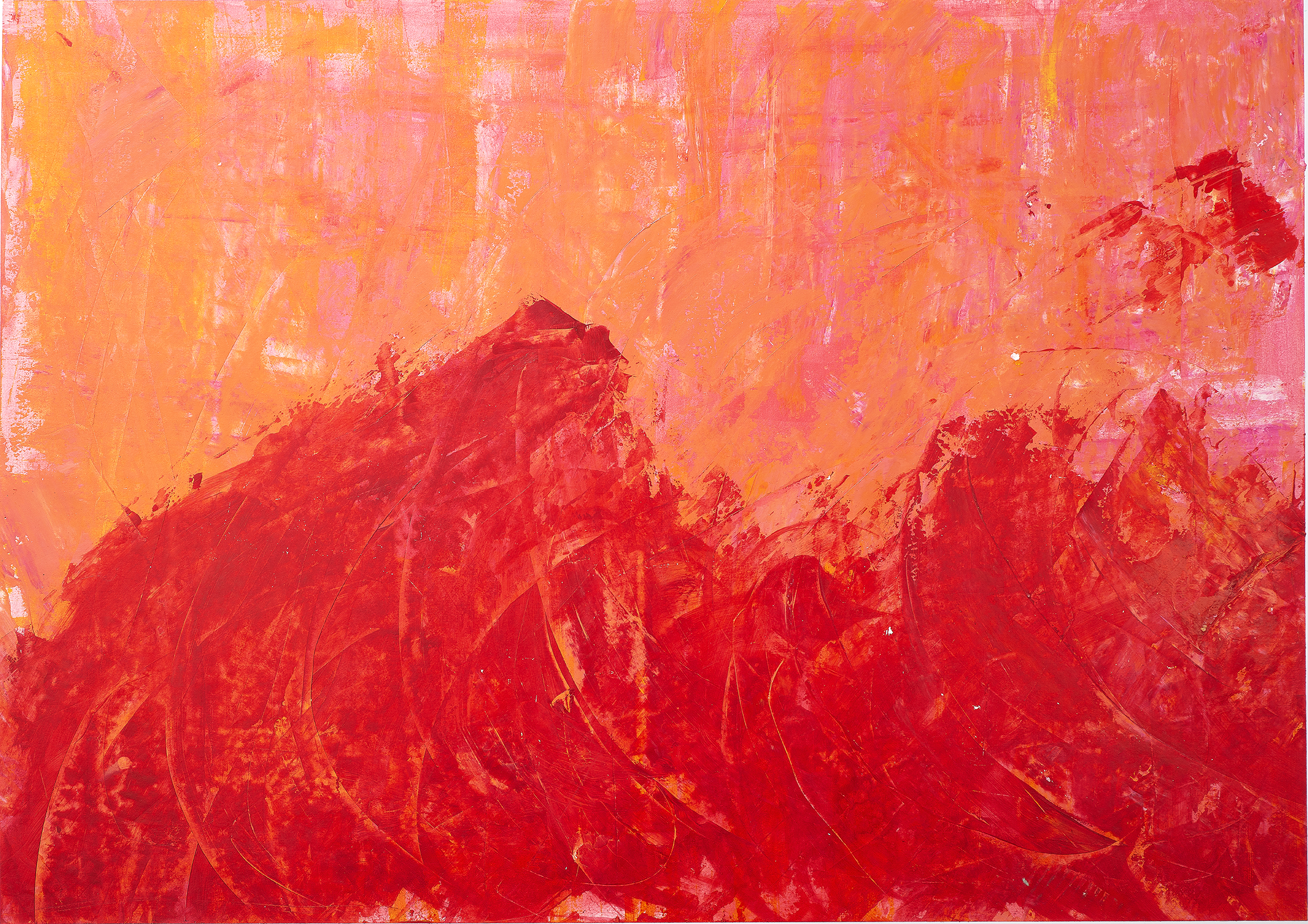
Elim Dune at sunset
Material: Acrylic on art paper Artwork size: A1: 23.375 x 3125 in // 594 x 841 mm
“Namib,” meaning “a vast, open, dry space” in the Nama language, gives Namibia its name and refers to what is considered the world’s oldest desert. Formed over millennia through geological transformation, the landscape has shifted from fertile swampland to an arid expanse shaped by uplift, erosion, flooding, and volcanic activity.
Today, the desert is defined by vast dunes of iron-rich sand, their deep red tones intensifying with age. Subtle variations in mineral composition create a spectrum of colour—from lighter, sunlit ochres to dense, blood-red hues.
This shifting palette forms the basis of the work, where gradations of colour, light, and texture evoke the scale, heat, and stillness of the desert landscape.
The rainforests of the brazilian amazon
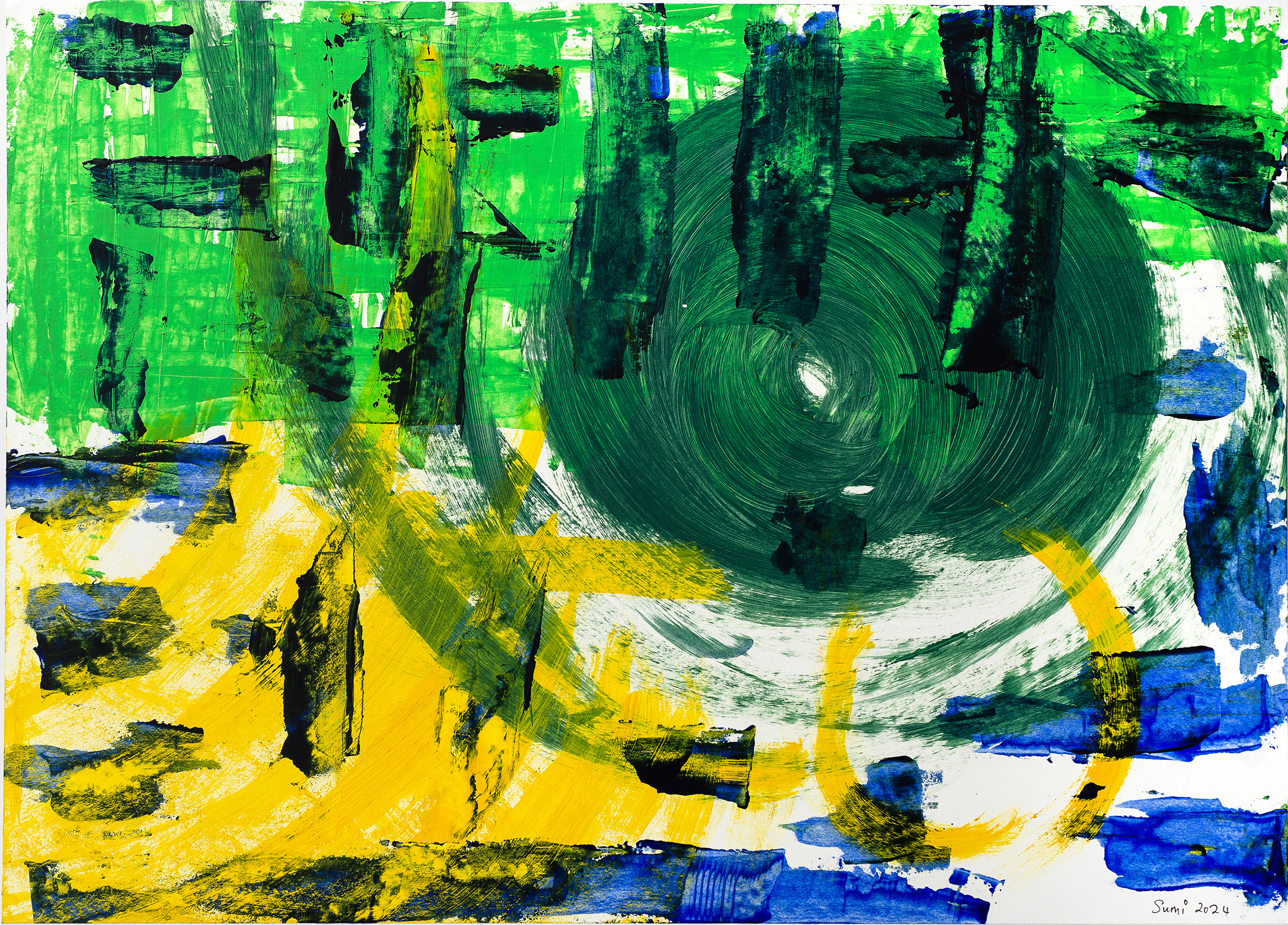
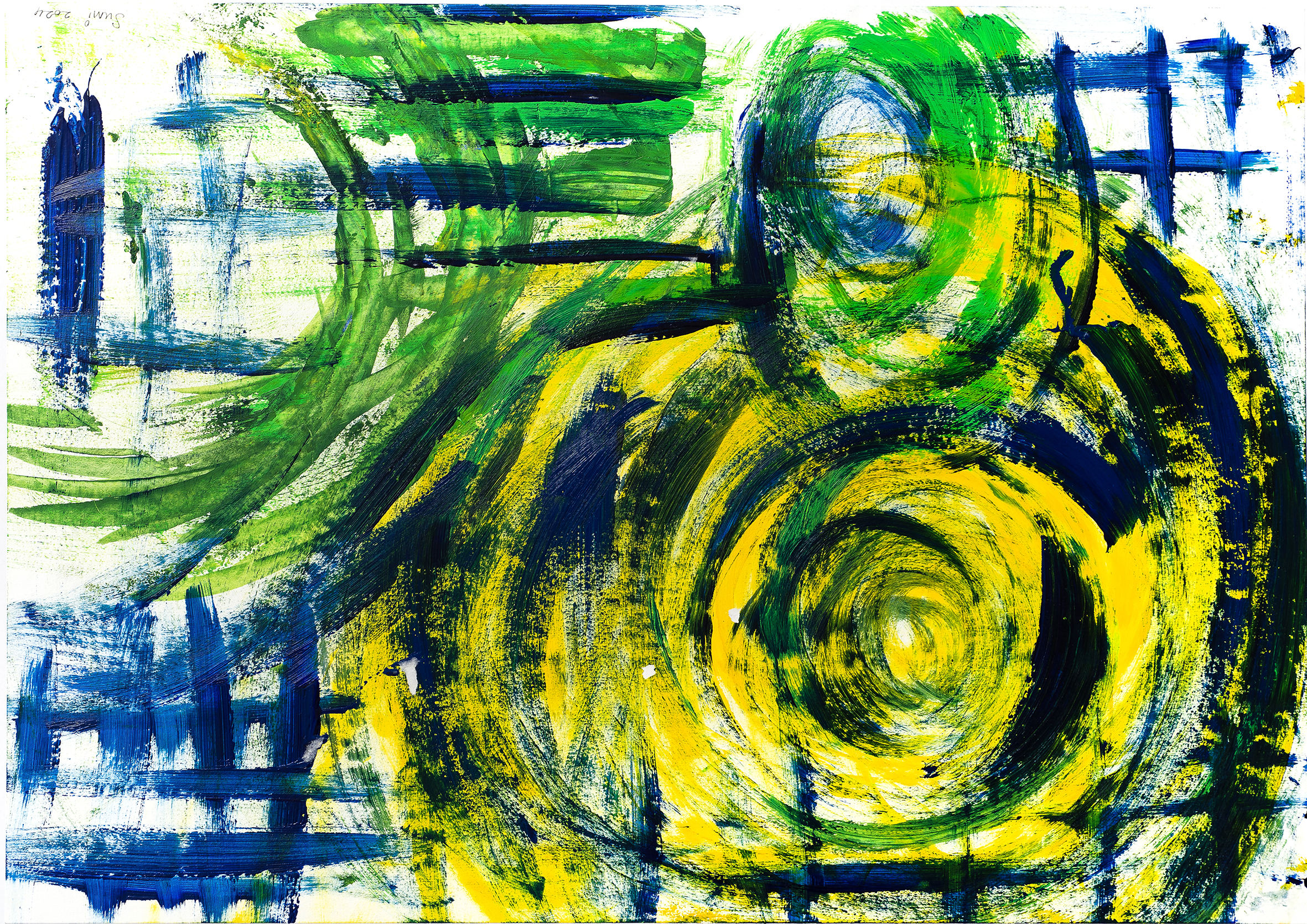
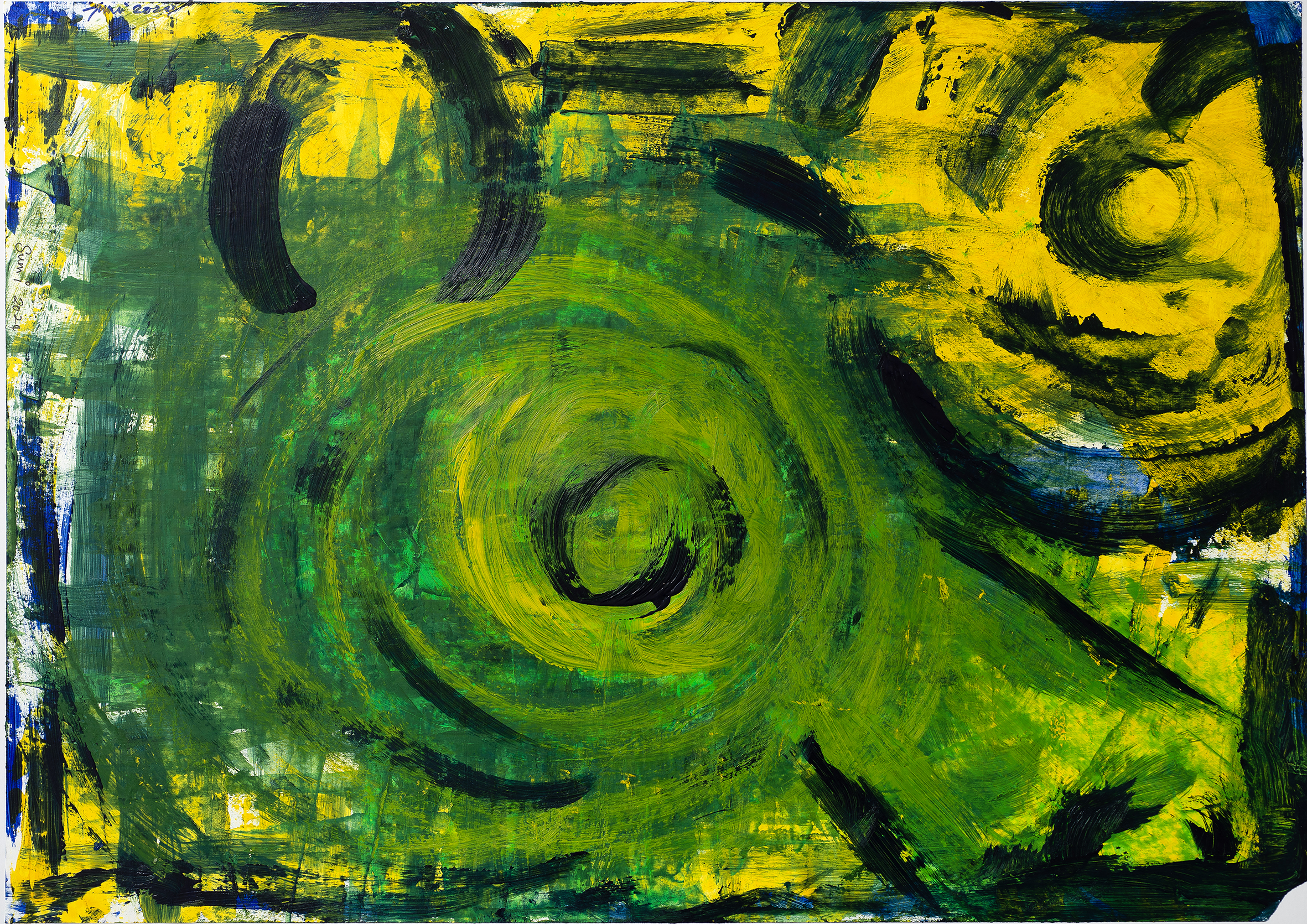
Into the Rainforest 1, 2 & 3
Material: Acrylic on art paper. Artwork size: A2: 5.875 x 8.25 in // 148 x 210 mm
The Amazon rainforest, one of the most biodiverse regions on Earth, is home to thousands of plant and animal species. This richness is evoked through layered colour, movement, and texture, suggesting the presence and vitality of life within the landscape. As you go deeper into the narrow waterways of the Rainforest, the environment becomes increasingly immersive.
As the forest canopy thickens, the colours intensify and deepen. A series of three paintings reflects this transition—from lighter tones at the forest’s edge, swirling into deeper, more saturated hues in the still waters where caymans hide under the swampy banks of the Amazon River.
Iberian Magic - Portugal and Spain
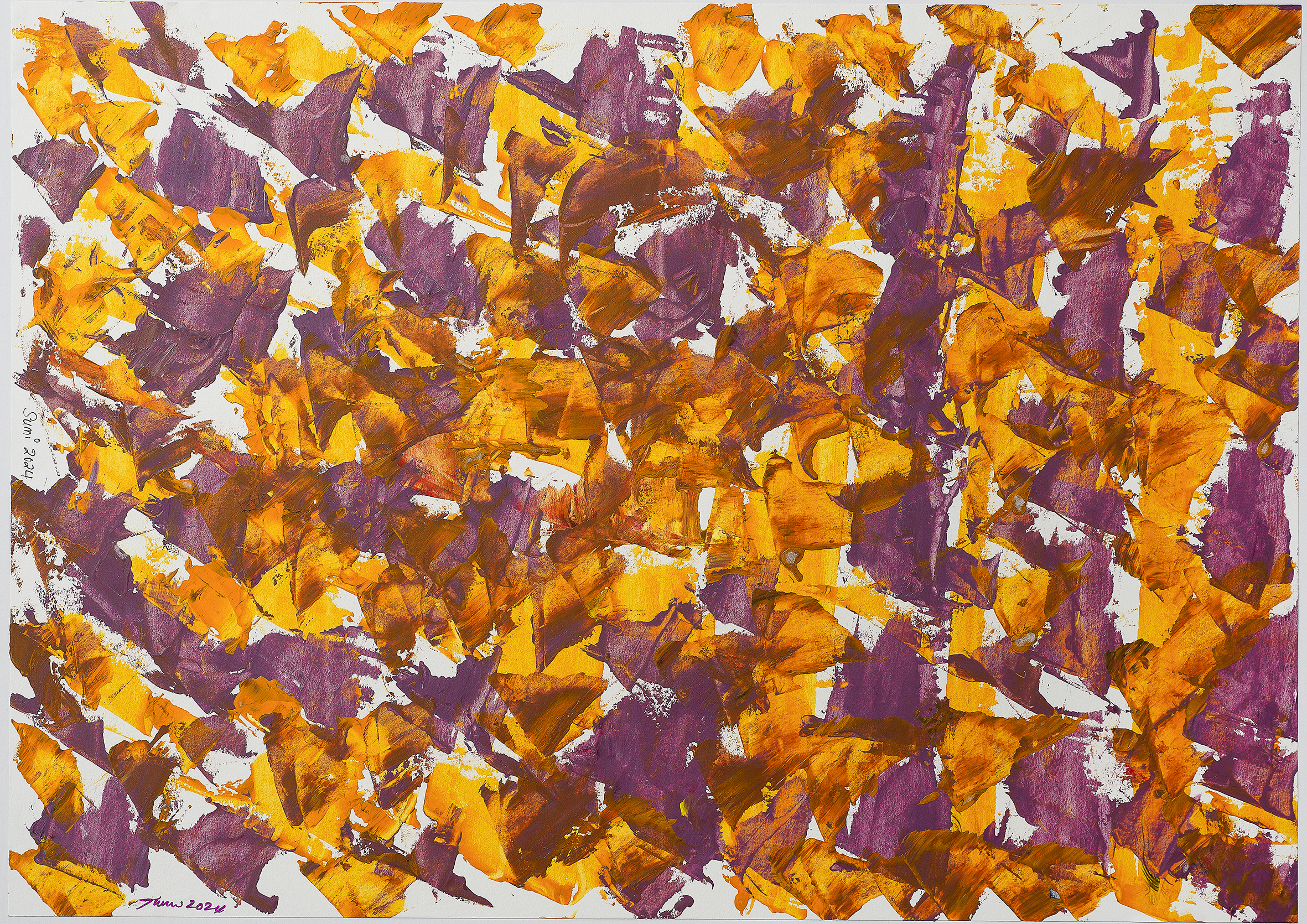
Bougainvillea
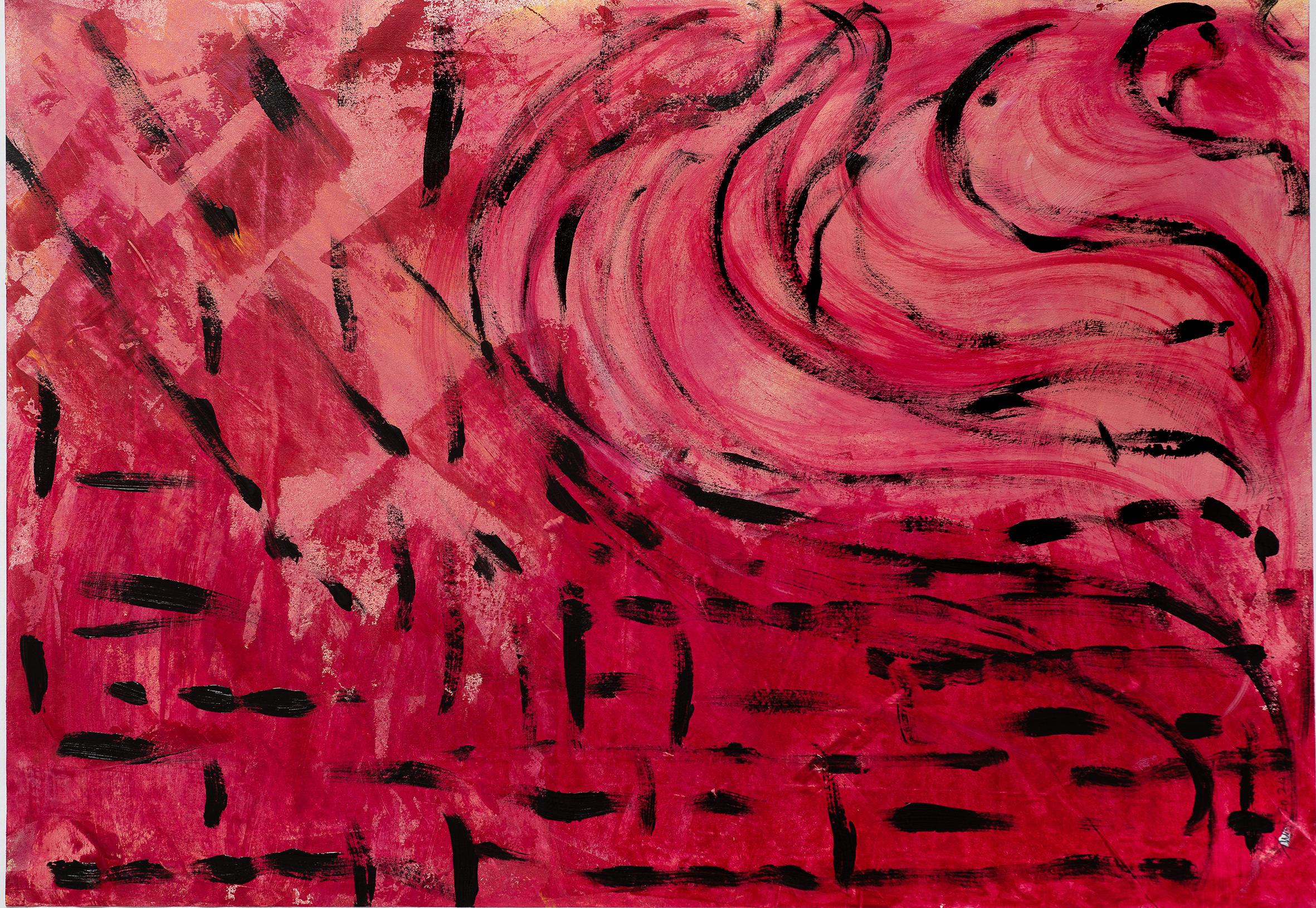
Verónicas, initial sweeping movements of the cape
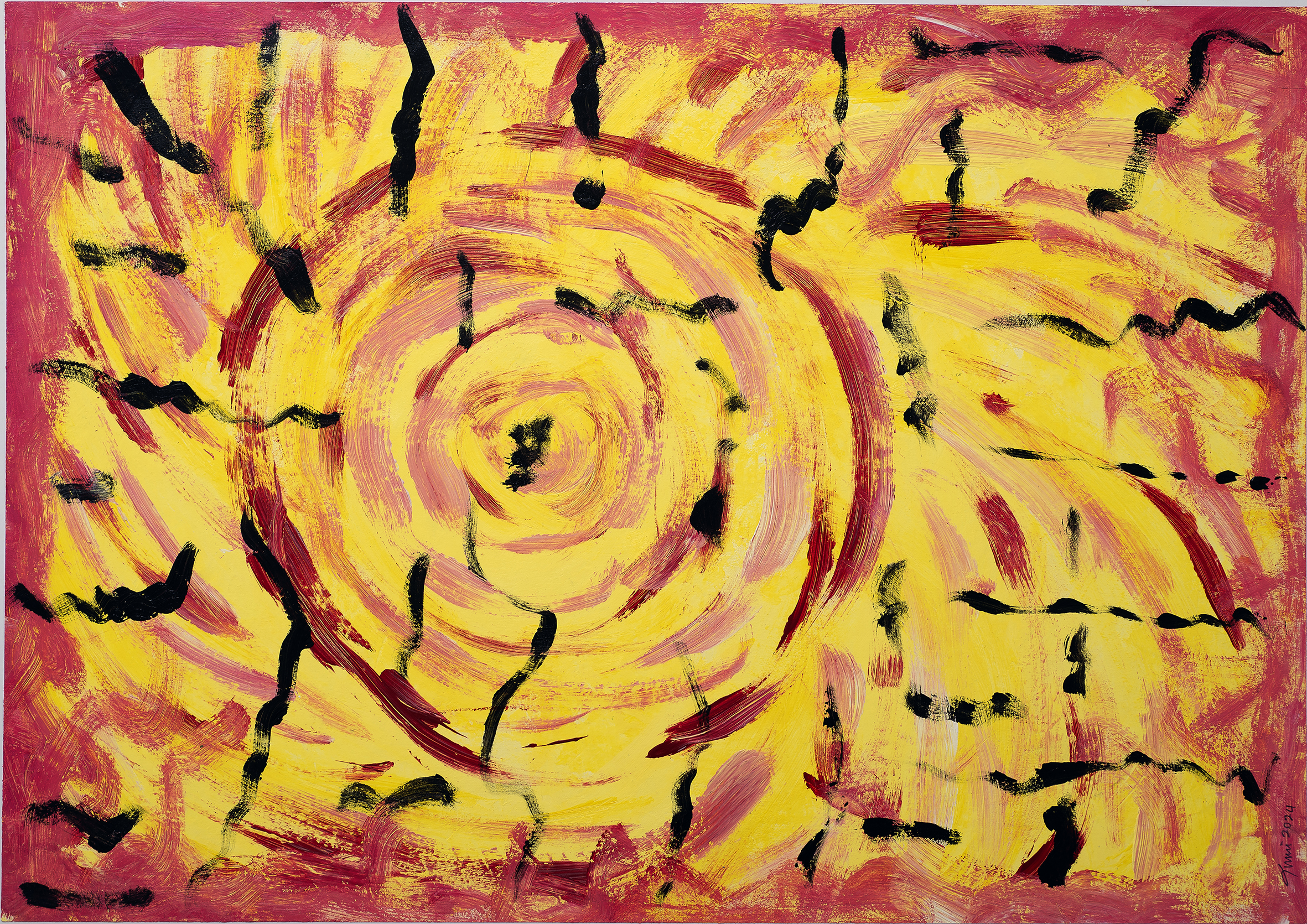
Farol de rodillas – theatrical cape passes performed on the knees
Material: Acrylic on art paper
Artwork size: A2: 5.875 x 8.25 in // 148 x 210 mm
The Iberian Peninsula holds a rich, complex, and deeply intertwined history shaped by millennia of cultural exchange. As early as the Palaeolithic age, the indigenous peoples of Andalusia—often regarded as the cultural heartland of Iberia—encountered the earliest currents of what might be considered “globalisation.”
Among the first of these influences were the Phoenicians, seafarers from the eastern Mediterranean who established the settlement of Gadir (modern-day Cádiz), widely regarded as one of Europe’s oldest continuously inhabited cities. Centuries later, Celts migrated into the peninsula, blending with local populations to form the distinctive Celtiberian culture.
The arrival of the Roman Empire marked a profound transformation, as the Latin language and customs replaced the Hispano-Celtic language and culture. This legacy would later be further defined by centuries of Islamic rule in Al-Andalus, followed by the Christian Reconquista, which ultimately led to the formation of the kingdoms that would become modern Spain and Portugal.
During the Age of Exploration, the royal families of Spain and Portugal, driven by ambition and rivalry, competed with the royal families of France and England in the pursuit of new trade routes to India and China.
These nations financed voyages that redefined global connections. This section draws upon that layered heritage, capturing the vibrant tapestry of Iberian culture with a section dedicated to the indigenous Andalusian spectacle of the bullfight. Indigenous Andalusians see the spectacle as an art form and performance rather than a “pagan” ritual or bloodsport.
Through the abstraction of movement and colour, the rich tones and contrasts the artwork evokes the enduring dualities of the region: light and shadow, control and chaos, ritual and instinct, the old world and the colonies of the new world—reflecting not only a tradition, but a living expression of history, identity, and artistic form.
Cornwall - Rule the waves
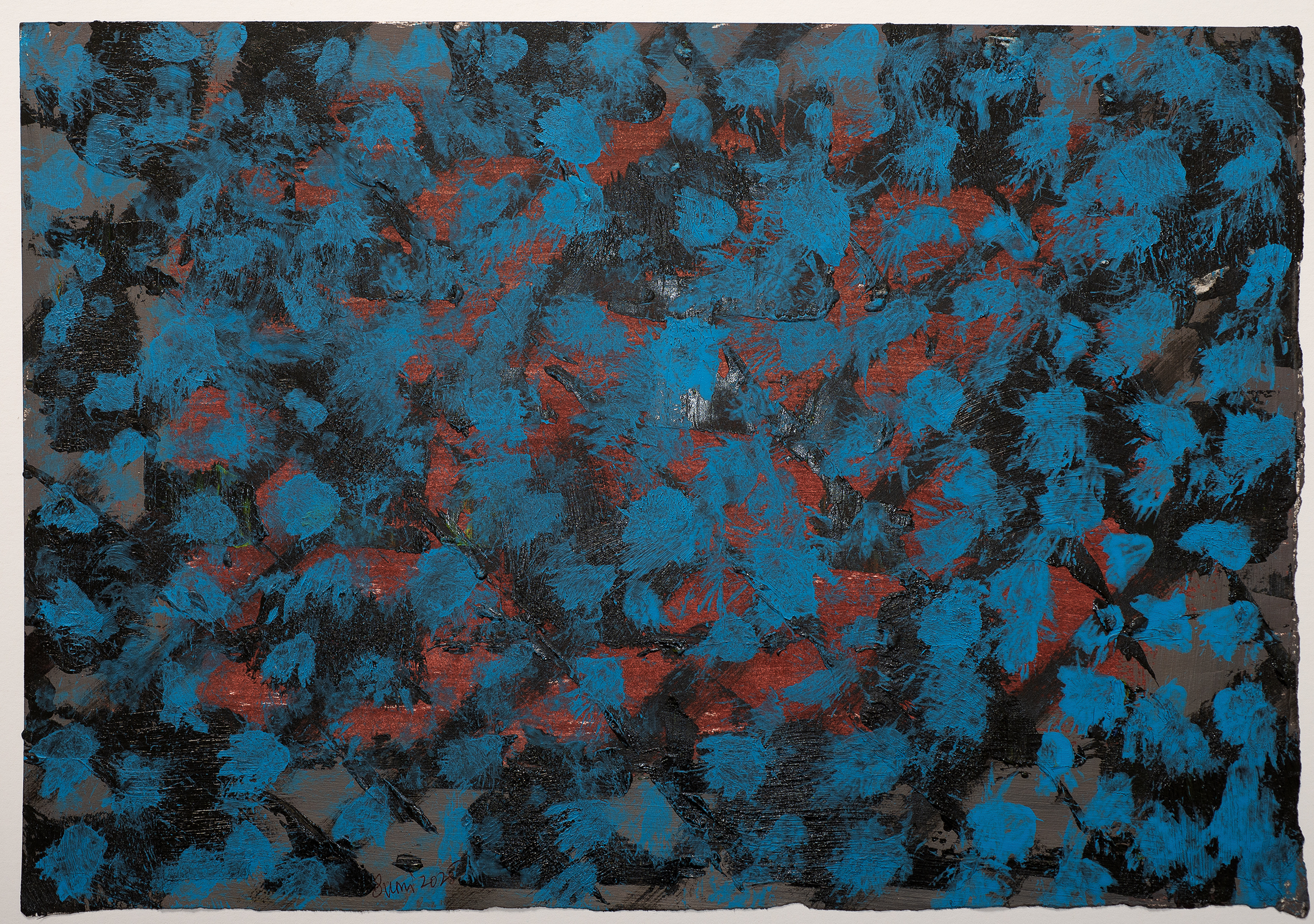
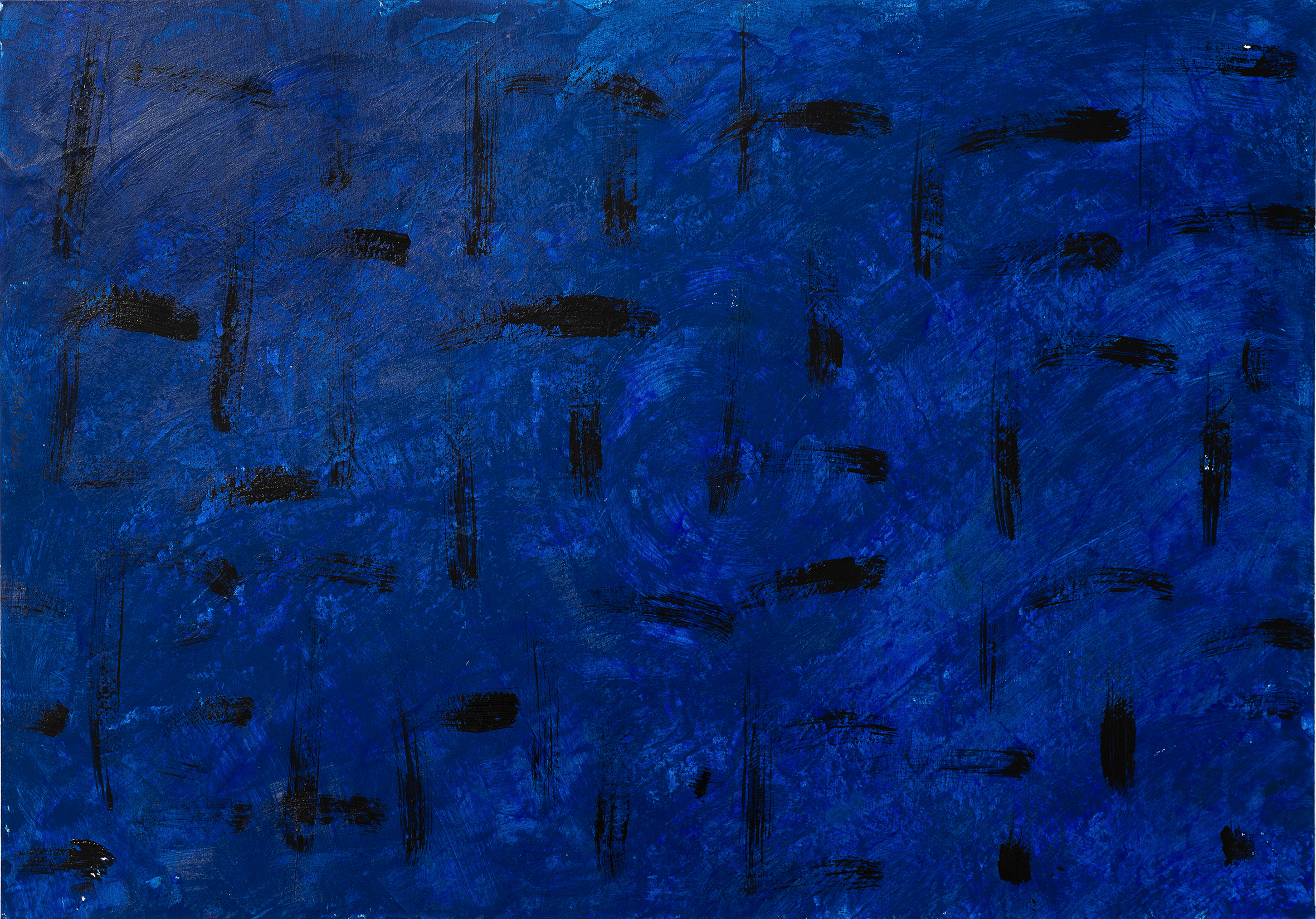
Killas Hausel Bay: sea at midnight
Artwork size: A2: 5.875 x 8.25 in // 148 x 210 mm Material: Acrylic on art paper
Centuries ago, the rocks along the Cornish coast lay beneath the ocean, part of the ancient seabed. Over time, tectonic forces lifted them above the waves, exposing jagged granite cliffs to wind, rain, and sea. The north is dominated by rough black granite, while the south curves into sheltered bays with calmer waters and natural harbours. Surrounding the granite, softer rock known as “killas” was transformed from mud and clay by the heat of the rising stone, creating a subtle interplay of texture and tone.
Blues, greens, and blacks shift with the light, reflecting the changing moods of day, night, and weather. The interplay of hard granite and yielding killas, of turbulent surf and quiet coves, becomes a dynamic visual language. Through layered textures and tonal contrasts, the artwork evokes the timeless energy of Cornwall’s landscape, where geological history, oceanic movement, and the changing sky converge into a vibrant, living tableau.